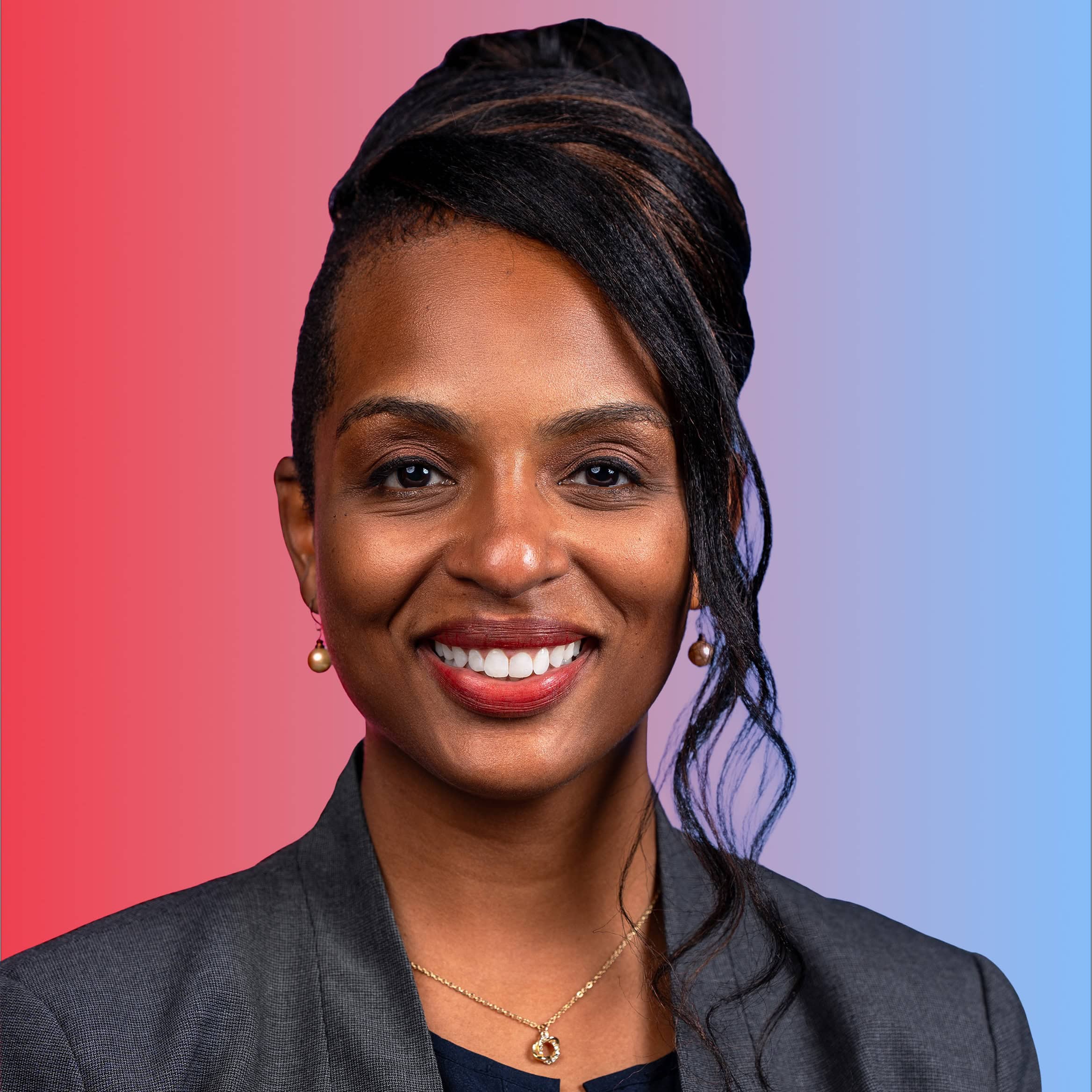
Jamia Stokes, CCA Alliance Engagement Director for the Southeast region shares her reflections from the Florida College Access Network’s Talent Strong Florida Summit.
Part of my job as CCA’s Alliance Engagement Director for the Southeast is to spend time in the states we work with, not just reading policy briefs about them, but sitting in the room where state leaders are actually building the thing. That’s what took me to Tampa earlier this summer for the Florida College Access Network’s Talent Strong Florida Summit. Months later, the notes I brought back still shape how I think about what CCA’s mission looks like when a state takes it seriously.
Florida joined the CCA Alliance in 2010, and a lot of what I saw in Tampa traces straight back to strategies CCA has championed for over a decade. The state’s 2013 corequisite legislation (SB 1720) eliminated mandatory remedial coursework for recent high school graduates, and success in gateway math and English has surged since, especially among Pell-eligible students. Guided Pathways took hold too: 100% of State University System and Florida College System institutions now use Academic Maps tied to the FloridaShines transfer portal. What I got to see in person was what happens after a state adopts those strategies and keeps building. Florida hasn’t stopped at corequisite and pathways; it’s layered affordability and workforce alignment on top, and the result is a system other states are now studying.
That’s exactly why these visits matter to the Alliance’s work. Reading about a state’s completion rate tells you where things stand. Sitting through a convening tells you why. A few things I only understood by being there:
At Tallahassee State College, workforce-connected learning isn’t a side program. It’s the organizing principle. Leadership described a clear pipeline running from Awareness through Exploration, Engagement, Experience, and finally Employment, with faculty at every level expected to be, in their words, “workforce champions.” Workforce Pell launched July 1, right on schedule, and apprenticeship programs are expanding statewide, a prediction from that room that’s already come true.
In Osceola and Orange counties, I saw what happens when access gets serious about the realities of students’ lives. Osceola Prosper, a last-dollar scholarship, has served 11,000 students since 2021, many from families who, not long before, were living in hotels outside the theme parks where they worked. Lift Orlando is now extending that model. What struck me most wasn’t just the funding; it was hearing Florida leaders stop calling community college a “two-year degree.” Most students aren’t continuously enrolled full-time, and pretending otherwise had quietly written off the very students these programs exist to serve.
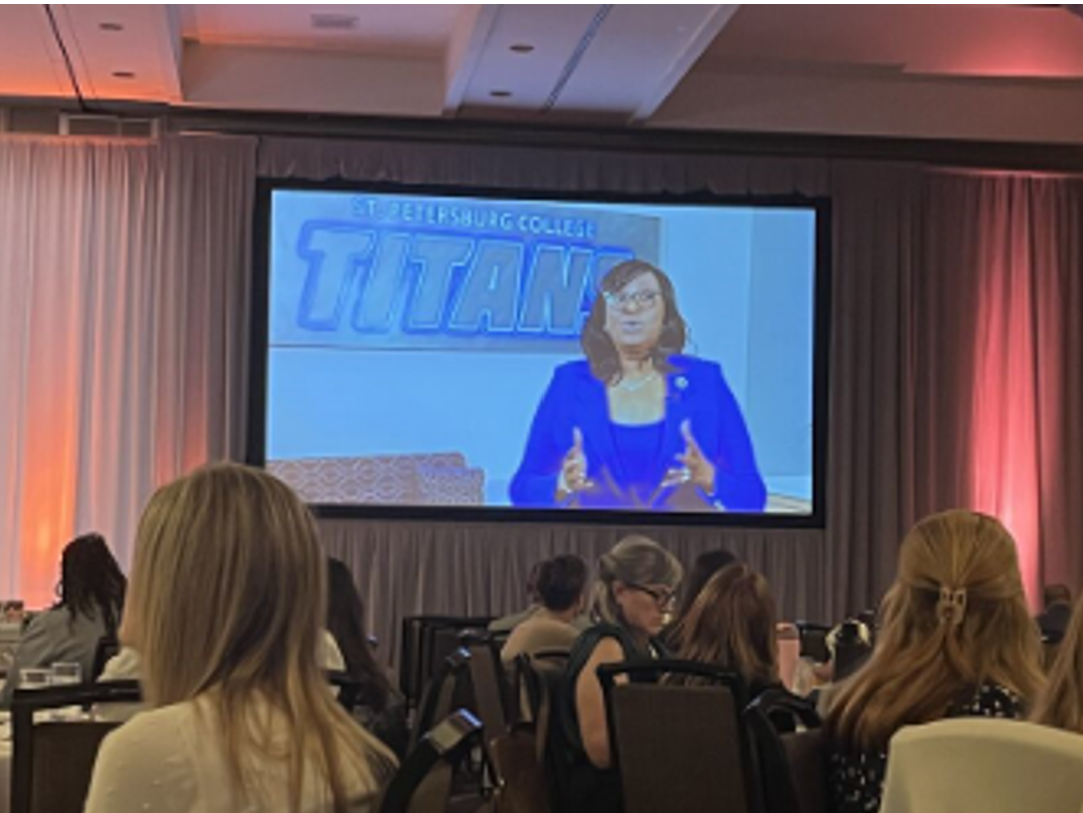
Dr. Tonjua Williams, a CCA Alliance Fellow and President of St. Petersburg College, gave the luncheon remarks and tied it together: access alone isn’t the goal, she said; doors have to lead somewhere. She measured Florida’s success by economic mobility, not enrollment and this places an emphasis on whether learning actually converts into earning.
None of that comes through in a report. It comes through in a hallway conversation, a faculty member’s offhand comment about what “workforce champion” actually means day to day, a scholarship director explaining why they had to stop counting degrees in years. That’s the case for these trips: they’re how the Alliance team keeps a ground-level understanding of what CCA’s strategies look like once a state has been living with them for over a decade, and where the next round of ideas worth spreading is coming from.
I came home with new contacts, a few follow-ups already in motion, and a clearer sense of what Florida might teach the rest of the Alliance. I’m already looking forward to planning next year’s travel and finding the next rooms to be in as this work continues to unfold.