
Lessons from a first-generation professional on building relationships that empower students to shine
Want to learn more? Listen to an episode of CCA on the Air with Bre Brown:
When Bre Brown walks a nervous student into Career Services for a personal introduction, she calls it “getting in the mud.” It’s a vivid metaphor for the kind of hands-on, authentic approach to student success that has defined her career, and one that challenges many of the assumptions higher education makes about how support should work.
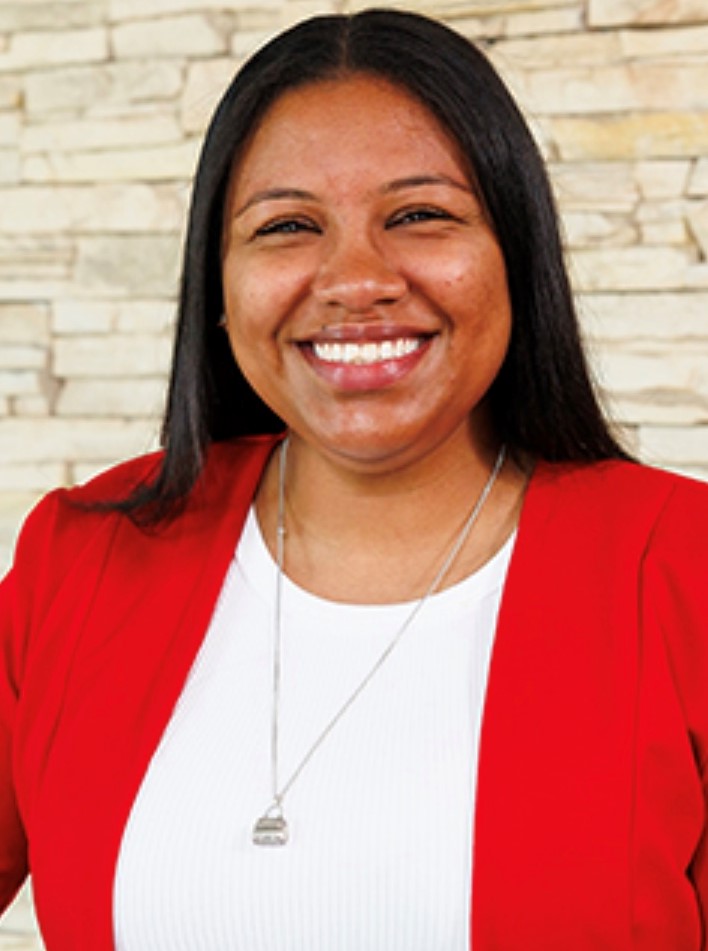
As Program Coordinator at Illinois State University’s Stevenson Center for Community and Economic Development, Brown occupies a unique position in higher education: she works simultaneously with graduate students preparing for career transitions and first-year undergraduates just beginning their college journey. This dual perspective has given her powerful insights into what students really need to succeed—and what too many institutions get wrong.
Beyond the Deficit Lens: Redesigning Systems, Not Students
One of the most striking moments in Brown’s recent conversation on the CCA on the Air podcast came when she reframed a fundamental question about first-generation students. Instead of asking what these students lack, she posed a different challenge: “What systems are designed…with those particular students in mind?”
This shift from deficit thinking to systems thinking represents more than semantic wordplay. It’s a fundamental reorientation of how institutions approach student success. As Brown puts it, “We assume the student comes to us because they’re ready, not the student comes to us and gets ready.”
For Brown, who was herself a first-generation college student from Chicago’s public school system, this perspective comes from lived experience. She knows what it feels like to navigate systems that weren’t built with her in mind. Now, as an instructor teaching IDS 128 (Thriving in College) to incoming first-year students, she uses that experience to normalize the learning process rather than pathologize it.
“I like to let students know, I was once in your shoes. ‘No one has explained this to me.’ Or I was afraid to ask, so I did not receive this explanation from a professor or a resource on campus,” she explains. This transparency does more than build rapport. It reframes not knowing as a normal part of learning rather than a personal failing.
The Power of Authentic Connection
Brown’s approach to student support goes far beyond sending referral emails or posting office hours. She believes in what she calls “warm introductions”—personally walking students to resources, making connections, and modeling how to navigate institutional systems. This hands-on approach stems from a core belief: students need to see and experience what professional interaction looks like, not just be told about it.
The impact of this authentic connection shows up in unexpected places. Brown shares a powerful story about encountering one of her students at a local restaurant while she was with her young son. Instead of a simple greeting, the student stood up, shook her son’s hand, and encouraged him to keep playing basketball, despite never having met the child before.
“That, to me, was a great impact,” Brown reflects. “That showed not only respect that someone walked into the space, and I stood up to greet them. It showed that there’s respect in that relationship for Miss Bre, and this is her son.”
The moment illustrates what Brown sees as the ultimate goal of her work: helping students develop the confidence to step into their own power and extend that empowerment to others. It’s the embodiment of her favorite quote from Marianne Williamson: “As we let our own light shine, we unconsciously give other people permission to do the same.”
Graduate Students Need Support Too
One of Brown’s most valuable insights comes from her work across the undergraduate-graduate divide. While institutions often assume graduate students have mastered college navigation, Brown has observed striking similarities between her first-year and graduate students.
“Some similarities I have noticed with both groups is their anxiety,” she notes. “The anxiety is there. Like, I want to know, but my anxiety exists because I don’t know. And because I don’t know, I don’t know how to navigate.”
Graduate school, Brown points out, represents a different kind of being a student, with different expectations and ways of thinking about education’s purpose. Students may have succeeded as undergraduates while never fully mastering skills like time management or academic communication—deficits that become magnified in graduate school’s more demanding environment.
This insight challenges institutions to think more intentionally about transition support at every level, not just for incoming first-year students.
Leadership as Authentic Representation
Brown’s leadership philosophy centers on bringing her full self to professional spaces, including rooms where she once never imagined she’d sit. As a member of Illinois State’s Alumni Board of Directors, she recently found herself in a conversation about how to honor first-generation college students—a discussion she never expected to be part of, let alone lead.
“I never thought that that would even be a conversation at these table events,” she explains. “But how do we honor and celebrate first-generation college students? And so being able to be that voice at the table, being able to bring my experience to that table… to be that first generation at that table, in a room that I never thought I would even be in.”
This kind of representation matters not just symbolically, but practically. Brown brings lived experience to policy conversations, helping ensure that institutional decisions account for the realities of students from backgrounds like hers.
Practical Wisdom for Student Success Professionals
Brown’s advice for fellow practitioners centers on confidence—both modeling it and fostering it in students. Her suggestion for both is simple: take strength from your curiosity.
For professionals: “Be confident in your work… allow your students to know that that is where your confidence lies, and it is okay not to know as a professional as well.”
For students: “Be confident in who you are… Be confident in not knowing… Be confident in the unknown, because that is where we learn the most.”
This approach requires professionals to move beyond the safety of expertise and into what Brown calls “getting in the mud”—the messy, authentic work of relationship-building and shared learning.
Brown also emphasizes the importance of networking and connection, both for professionals and students. As she puts it, “You don’t know until you network.” This isn’t about superficial relationship-building, but about creating genuine connections that can provide support, opportunities, and models for success.
The Ripple Effects of Authentic Work
Perhaps the most powerful aspect of Brown’s approach is its multiplying effects. Students who experience authentic support and connection don’t just succeed—they learn to offer that same support to others. The student who stood up to greet Brown’s son had internalized not just academic success strategies, but ways of showing up in the world that honor and empower others.
This ripple effect challenges higher education institutions to think beyond completion rates and GPAs to consider the kinds of humans they’re helping to develop. Brown’s work suggests that when we show students what it looks like to bring our authentic selves to our work, we give them permission to do the same—creating leaders who can transform not just their own lives, but their communities.
For student success professionals, Brown’s example offers both inspiration and practical guidance. The work of supporting students isn’t just about providing resources or removing barriers—it’s about modeling what it looks like to step into your power and use it to lift others. It’s about getting in the mud, making authentic connections, and trusting that your light gives others permission to shine.
Listen to the full conversation with Bre Brown on the CCA on the Air podcast.